ERP Implementation Fundamentals: Planning, Functions & Benefits
Why Planning Matters for Business Growth
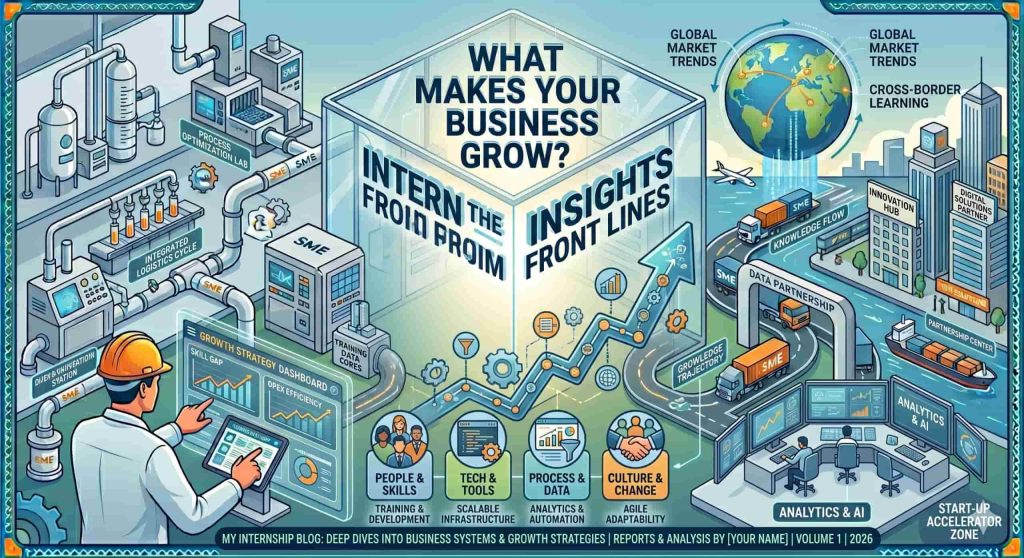
What makes a business grow and earn better profits? The answer starts with planning.
Good planning helps a business use its people, resources, materials, and technology effectively. However, business planning involves many connected activities. Companies need the right guidance to manage these activities.
For this reason, businesses should understand their operational requirements before implementing an ERP system.
Start Your ERP Implementation With the Right Foundation
A good beginning can make a major difference to business performance.
In today’s competitive market, small and midsize companies face many operational challenges. They need strong infrastructure, skilled employees, and reliable software.
An effective ERP system can help connect these resources. It can also streamline business processes and give employees better access to information.
However, technology alone cannot guarantee success. Businesses must first understand their processes and planning requirements.
Customer Commitment Depends on Good Planning
Customer trust plays an important role in business success. Companies build that trust by delivering products and services on time.
Consider a common manufacturing situation. A company may have skilled employees and enough production capacity. Yet, it may still fail to deliver an order on time.
Why does this happen?
The problem may start with poor planning. Production needs raw materials to manufacture products. Therefore, the company must maintain sufficient stock and arrange timely material deliveries.
If the company does not plan these requirements, production can face delays. Those delays can affect customer commitments.
Also Read – Manufacturing ERP Software
How ERP Improves Production Planning
An ERP system can help businesses manage production requirements more effectively.
For example, eresource ERP can help identify production requirements in advance. The system can support planning for:
Raw material requirements
Available stock
Material purchase requirements
Expected delivery times
Production schedules
Manpower requirements
Production timelines
Department coordination
The system can also send email alerts to concerned departments. As a result, teams can respond to important requirements faster.
This example shows how ERP can support daily business functions and production planning.
ERP Connects Different Business Functions
eresource ERP provides an affordable ERP solution that can support different functions across an organization.
The system can connect branches, departments, and business processes. Therefore, employees can work with better access to shared business information.
For example, production can coordinate with purchasing. Purchasing can monitor material requirements. Finance can track related transactions. Management can review business information for better decisions.
This connected approach can reduce communication gaps and improve operational visibility.
ERP Helps Businesses Manage Resources
Business operations involve many resources. These include people, materials, machines, money, suppliers, customers, and information.
Managing these resources separately can create delays and data gaps.
An integrated ERP system can connect these functions through a common platform. Employees can then access relevant information and coordinate their activities more efficiently.
Moreover, management can monitor business processes without relying on separate information from every department.
Reduce Human Errors With Better Process Control
Manual processes can create errors in planning and data entry. Even a small mistake can affect purchasing, production, inventory, or delivery.
ERP software can reduce repetitive manual work by connecting related processes.
For example, production requirements can trigger material planning. Inventory information can support purchasing decisions. Production schedules can also help teams plan deliveries.
Therefore, better process coordination can reduce avoidable delays and improve operational control.
ERP Implementation Should Support Business Goals
Businesses should not implement ERP simply because other companies use it.
Instead, management should first identify its business challenges. Then, it should define the processes that need improvement.
A successful ERP implementation should support practical business objectives such as:
Better production planning
Improved inventory control
Faster order processing
Better resource utilization
Improved customer service
Stronger departmental coordination
Better financial control
Faster access to business information
This approach helps the organization use ERP as a business management tool rather than only as software.
Key ERP Implementation Fundamentals
Before implementing ERP software, businesses should focus on these fundamentals:
Define business objectives – Identify the problems ERP should solve.
Review existing processes – Find inefficient or unnecessary activities.
Plan resources – Prepare people, materials, data, and infrastructure.
Improve communication – Connect departments through shared information.
Prepare employees – Train users before they start using the system.
Monitor performance – Track results after implementation.
Keep improving processes – Adjust workflows when business requirements change.
Conclusion
ERP implementation begins with proper business planning. Companies need to understand their processes, resources, customer commitments, and operational challenges before selecting and implementing an ERP system.
An integrated ERP solution can connect production, purchasing, inventory, finance, sales, and other business functions. As a result, companies can improve coordination and gain better visibility into daily operations.
For this reason, businesses should treat ERP implementation as a business improvement project. With clear goals, proper planning, employee involvement, and the right ERP solution, organizations can build a stronger foundation for long-term growth.
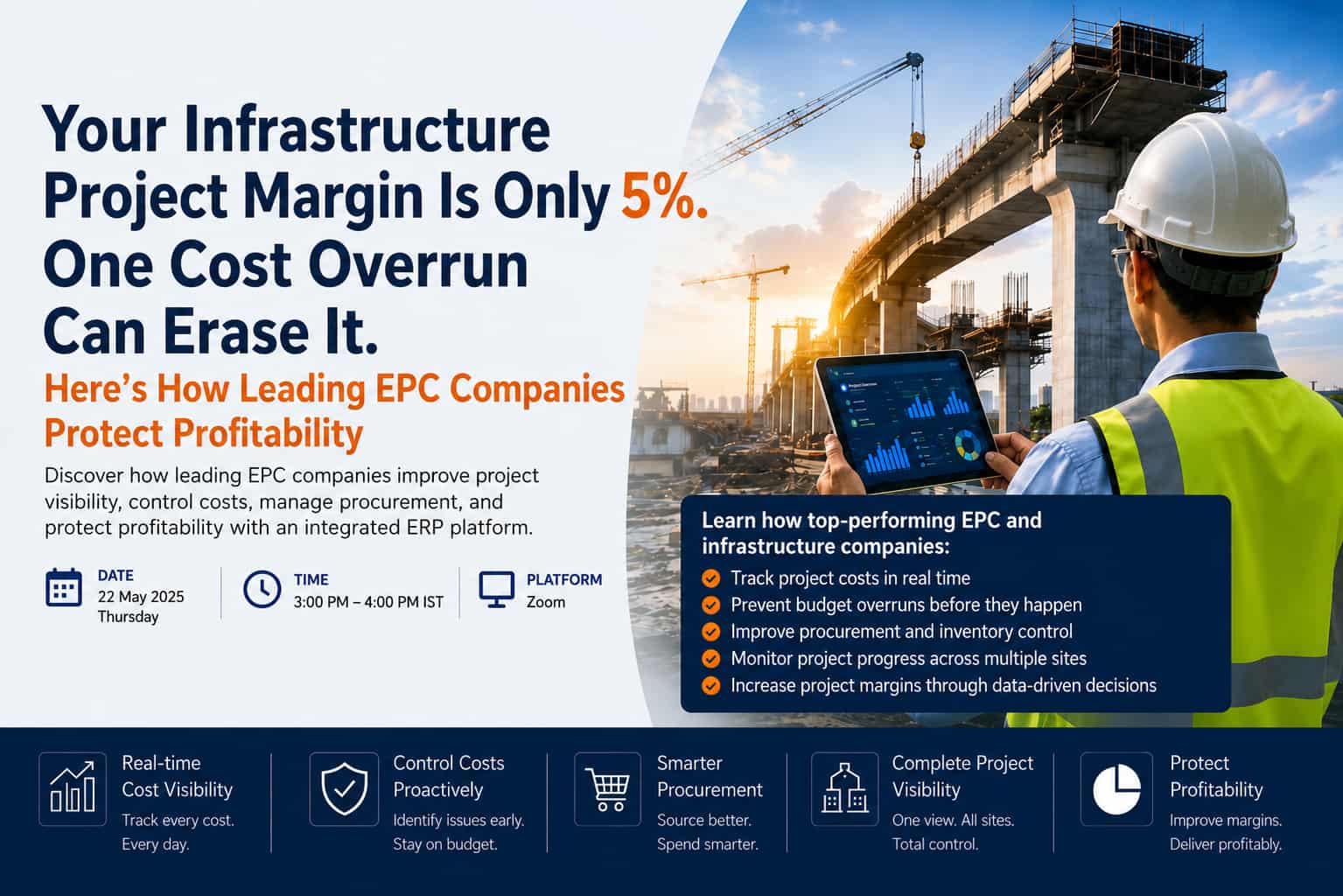
Also Read – ERP Software for Project Industry