ERP for Midsize Companies: Why the Midmarket Is Replacing and Consolidating Systems
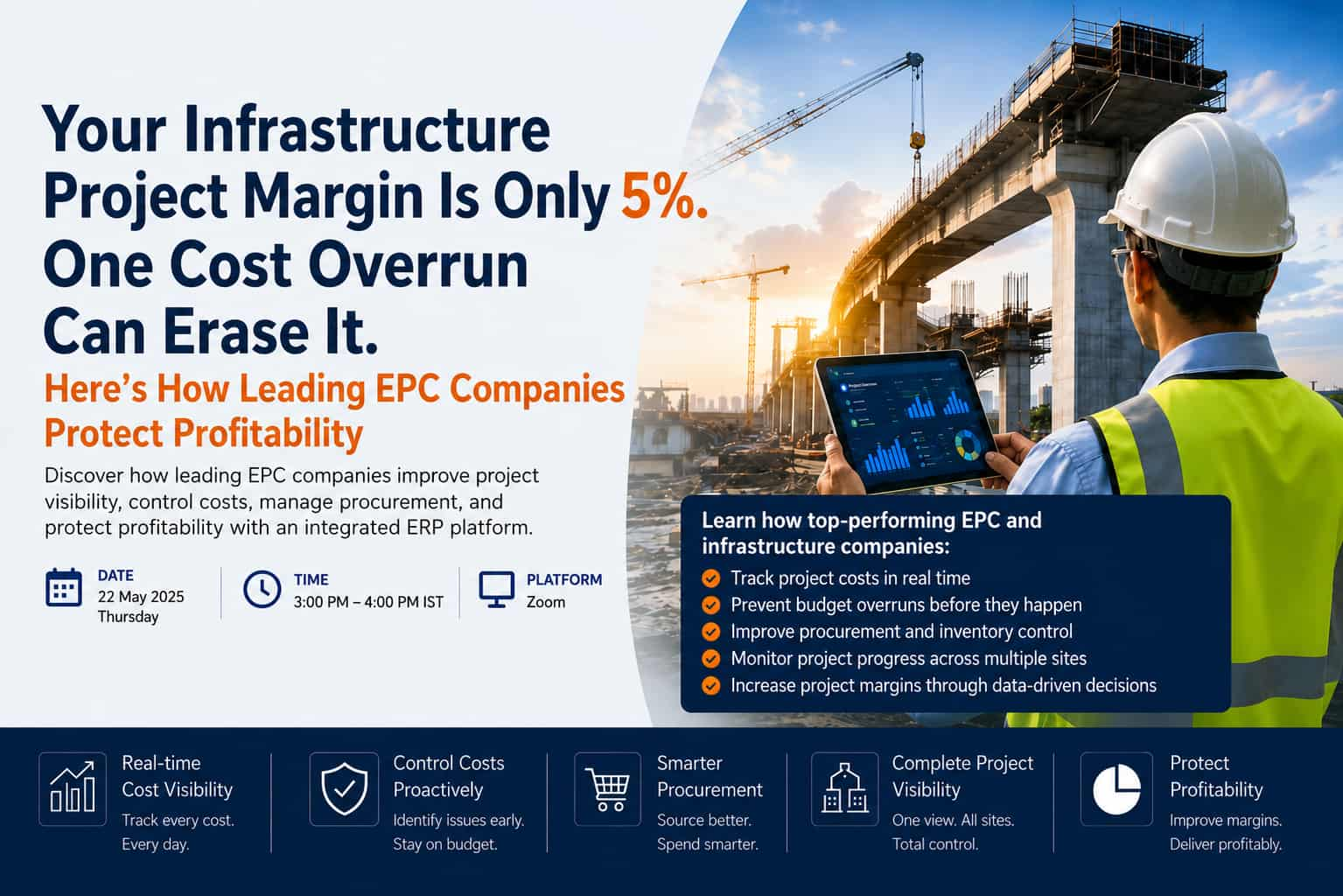
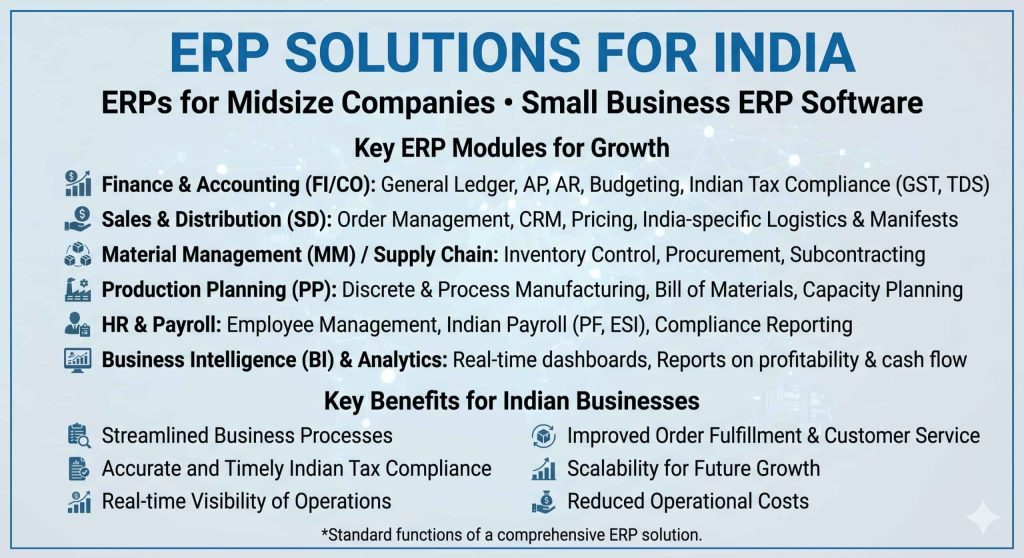
Most of the ERP action today is happening in the midmarket. In this age of mergers and acquisitions, many organizations that began as small companies now operate as midmarket businesses — and they need to consolidate various software systems and standardize their processes, from sales and distribution to finance. More and more midsize companies are replacing outdated ERP systems or adopting the technology for the first time. This article explains what drives that shift, and what ERP for midsize companies should deliver.
The Pressures Midsize Companies Face
Companies in this space cope with a common set of pressures:
- Increasingly complex operating environments
- Ageing technology, including outmoded ERP systems
- A proliferation of business-management software across departments
- The constant need to grow revenue
Industry-specific challenges add to the list. Consumer-goods makers worry about regulations and reporting requirements. Manufacturers face the commoditization of their products. A robust ERP package addresses these pressures on one platform instead of patching each separately.
Old Systems, Ready for Replacement
Industry surveys have found that only a small minority of midsize companies run without any MRP or ERP implementation at all — for the rest of that minority, the reasons to take the leap are many and compelling, since ERP has become necessary infrastructure for midsize business.
The bigger story sits with companies that already have ERP. Many midmarket implementations are mature and ripe for replacement — systems often older than ten years. ERP technology has evolved significantly since those deployments. Consequently, many organizations built their own side applications over the years just to cover the old system’s inadequacies. Every such workaround is a sign that the core system has fallen behind.
The Consolidation Problem
Mergers and acquisitions leave another legacy: multiple ERP systems inside one enterprise. Many midsize companies run two ERP packages; some run three or more. Although consolidation is not strictly necessary, midmarket companies clearly prefer to standardize on one ERP package — in large part to cut down on integration headaches. One system means one database, one version of the truth, and one set of processes to maintain.
Where eresource Fits
With eresource ERP for midsize companies in India, midmarket organizations found a solution matched to their needs. eresource’s major strength lies in its manufacturing modules, which deliver multiple benefits for small and midsize organizations and help them control day-to-day business. Once implemented, eresource ERP becomes the heart of your business, the wheels of your distribution channel, and the brain of your planning activities.
The On-Time Implementation Guarantee
One more feature sets eresource ERP apart: its guaranteed on-time implementation programme. eresource offers a full refund of implementation fees if the agreed go-live date is delayed — provided the customer meets all defined milestone deliverables on time. For a midsize company replacing a decade-old system, that guarantee removes the biggest risk in the whole project: an implementation that drags on and drains the budget.
Also Read – ERP Software Company in India
Frequently Asked Questions
Common questions about ERP for midsize companies
Why do midsize companies need ERP?
Midsize companies face complex operations, ageing technology, too many separate software tools, and constant revenue pressure. ERP consolidates processes on one platform and has become necessary infrastructure for the midmarket.
When should a midsize company replace its ERP?
When the system is roughly ten years old or more, when teams build side applications to cover its gaps, or when mergers have left multiple ERP packages running in one enterprise.
Should a company consolidate multiple ERP systems into one?
Most midmarket companies prefer it. One ERP package means one database, standardized processes, and far fewer integration headaches than running two or three systems side by side.
What is eresource's on-time implementation guarantee?
eresource offers a full refund of implementation fees if the agreed ERP go-live date is delayed, provided the customer meets all defined milestone deliverables on time.