Cloud Based ERP Software: Benefits for Your Business
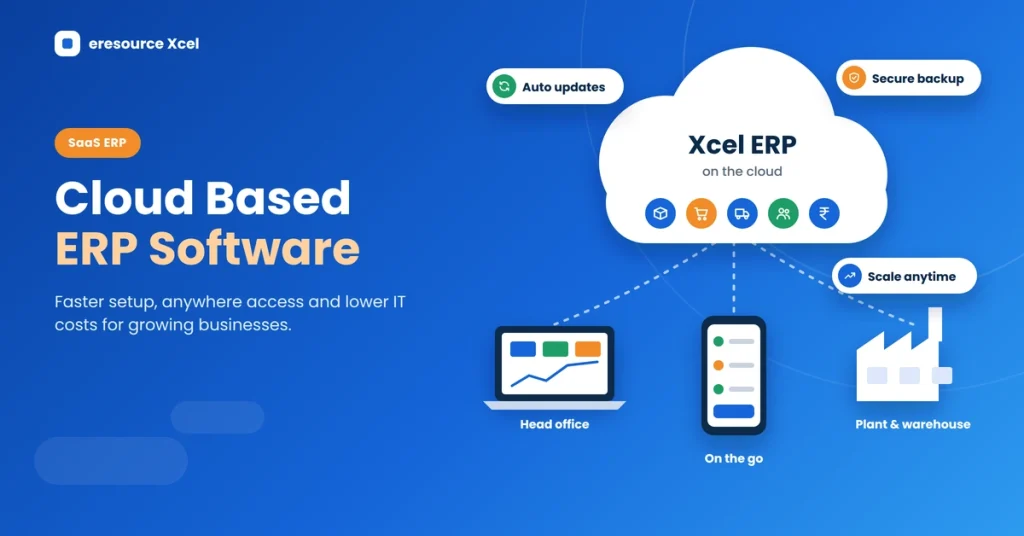
Cloud based ERP software uses Software-as-a-Service (SaaS) technology to deliver ERP features through the cloud. Businesses can access the system without depending on traditional on-site infrastructure.
Cloud ERP can improve productivity and flexibility. It can also help businesses control technology costs.
Organizations use cloud ERP to manage important business processes. These processes include inventory, resources, purchasing, and transportation.
Why Choose Cloud Based ERP Software?
Cloud based ERP software gives businesses a flexible way to manage their operations.
Employees can access business information from supported devices and locations. This access can help teams work together more effectively.
Cloud ERP can also reduce the need for complex hardware and software setups. As a result, businesses can focus more on their core operations.
Here are some key ways cloud ERP can support business growth.
1. Quick ERP Implementation
Traditional ERP implementation can involve complex setup and infrastructure requirements.
Cloud based ERP can simplify this process. ERP providers manage much of the technical infrastructure.
As a result, an organization can avoid many hardware setup and installation tasks.
Businesses can also start using cloud ERP without building a large in-house IT infrastructure.
2. Easy and Flexible Usage
Cloud based ERP software focuses on usability and accessibility.
A simple interface helps employees learn the system and complete daily tasks. Cloud ERP also supports access from mobile devices and other supported platforms.
This flexibility benefits businesses with large supply chains. It also helps organizations with employees working across different locations.
Managers can access important information when they need it. Teams can also collaborate more easily across locations.
3. Reduced Technology Costs
Cost control remains an important benefit of cloud based ERP.
Businesses can reduce some infrastructure and maintenance expenses with cloud ERP. The cloud model can also reduce the need for extensive on-site hardware.
Cloud ERP stores business information within the cloud environment. Providers can also use backup and security measures to protect business data.
Therefore, businesses can reduce the technology burden associated with traditional ERP infrastructure.
Also Read – Construction ERP Software
4. Timely ERP Updates
ERP providers regularly improve cloud-based systems.
They manage software updates and introduce new features as part of the service. Therefore, businesses do not need to manage every software upgrade themselves.
Cloud ERP can also give organizations access to newer ERP technologies. This approach helps businesses keep their systems aligned with changing technology needs.
Businesses can therefore spend less time managing software updates. They can focus more on operations and business growth.
5. Better Business Accessibility
Cloud ERP allows authorized users to access business information from different locations.
This feature supports businesses with multiple offices, remote teams, and distributed operations.
Employees can work with updated information when they have proper system access. Managers can also monitor important business activities without staying in one location.
6. Improved Business Scalability
Business requirements can change as an organization grows.
Cloud based ERP software can support changing operational needs. Businesses can expand their ERP usage as their processes and teams grow.
This flexibility can help organizations avoid major infrastructure changes. It also gives businesses more freedom to adapt their ERP environment.
How Cloud ERP Can Support Business Growth
Cloud based ERP software can help businesses improve several areas:
Faster ERP implementation
Easier system access
Lower infrastructure requirements
Better business flexibility
Simplified software updates
Improved collaboration
Better access to business information
Support for business growth
However, businesses should select a cloud ERP solution that matches their processes, security requirements, and future goals.
Conclusion
Cloud based ERP software offers businesses a flexible approach to enterprise management.
It can simplify implementation, improve accessibility, reduce infrastructure requirements, and support regular software updates.
Businesses can also use cloud ERP to improve collaboration and manage operations across different locations.
Therefore, organizations should evaluate their business requirements before selecting a cloud ERP solution.
Also Read – Process Manufacturing ERP Software