Table of Contents
Introduction
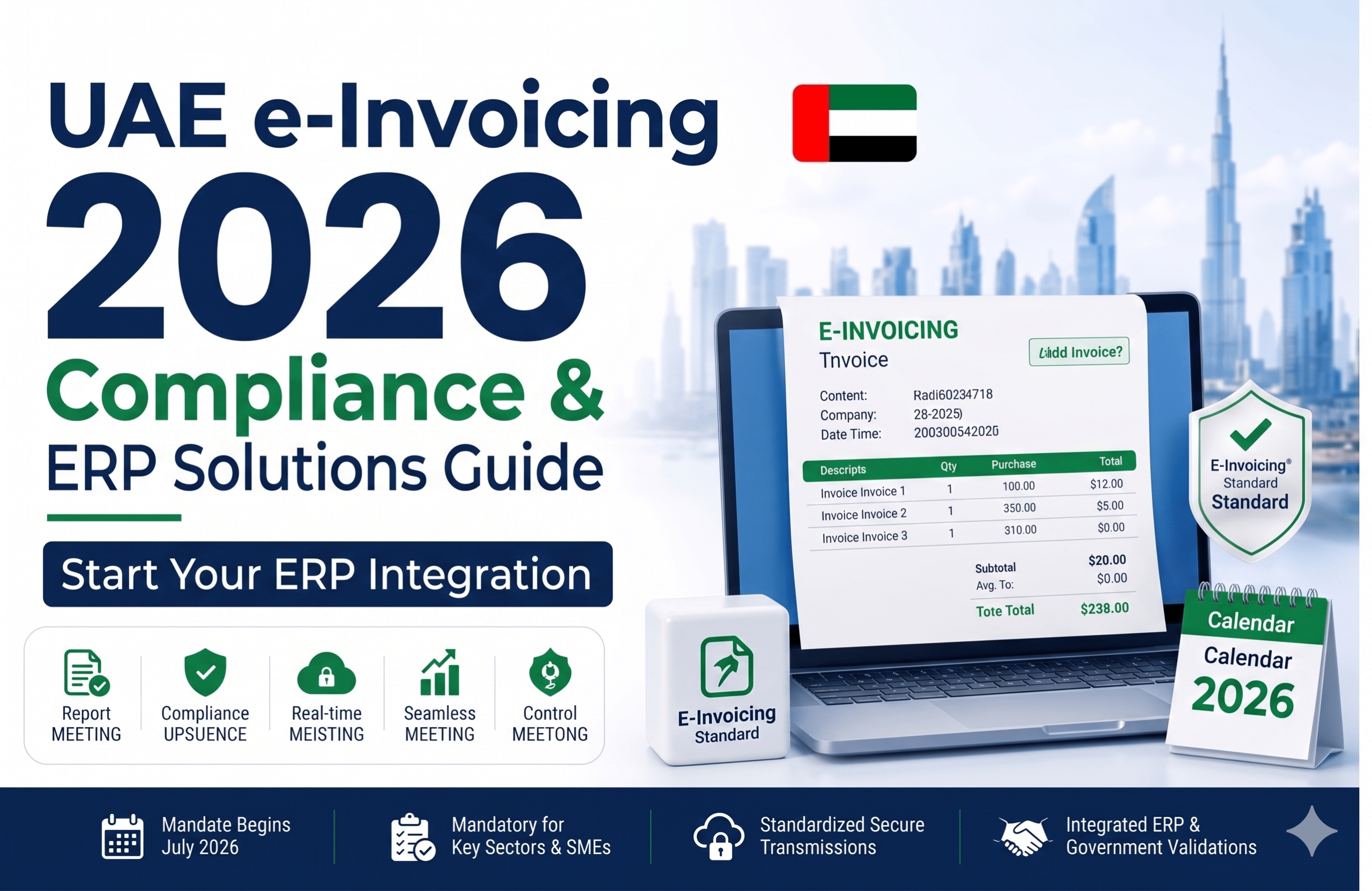
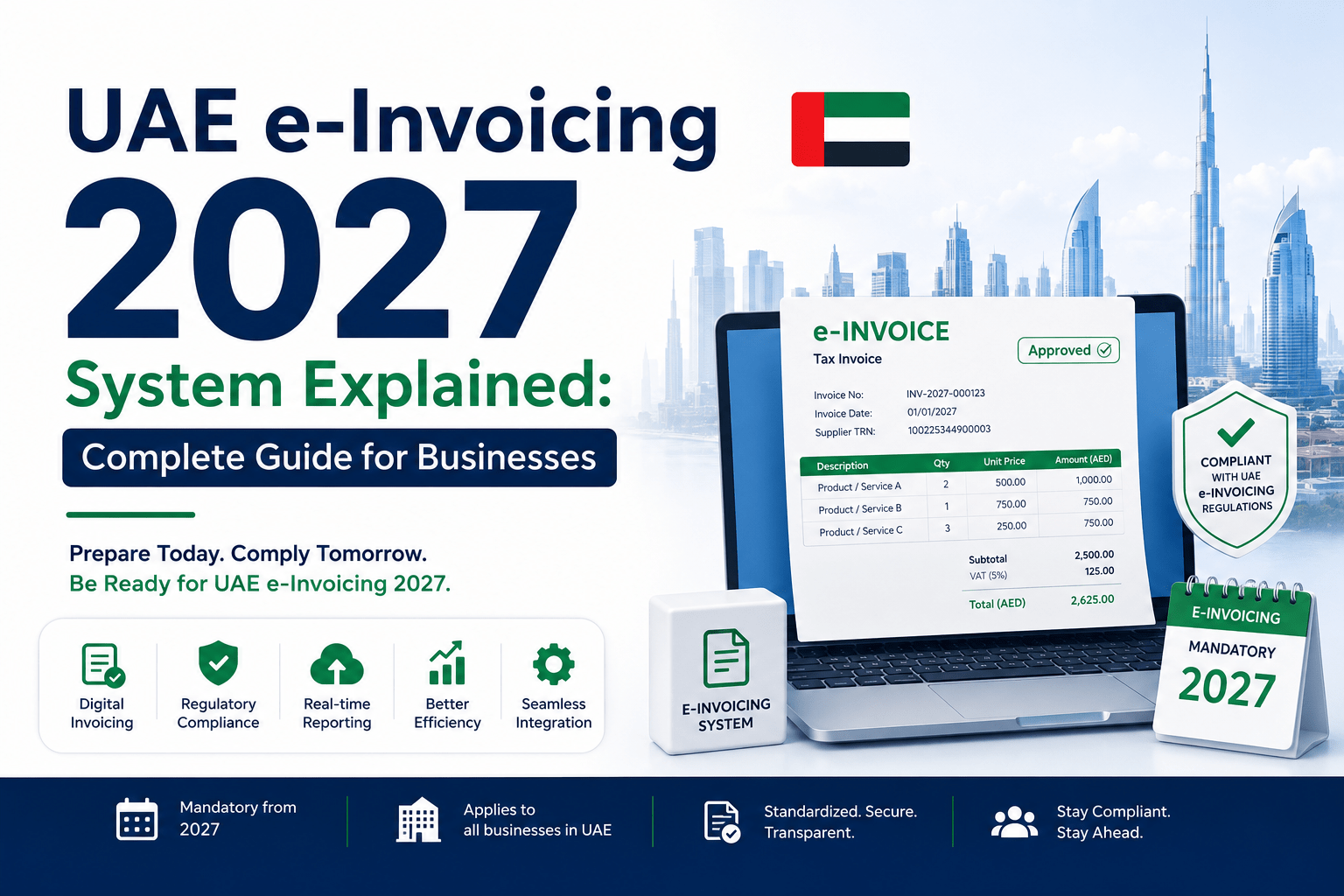
The UAE is entering a new era of digital compliance. With the upcoming e-invoicing mandate, businesses will no longer rely on traditional PDF or paper invoices. Instead, they must adopt structured electronic invoicing systems that integrate directly with government frameworks.
This shift is not just a regulatory change. It is a complete transformation of how businesses handle billing, compliance, and financial operations.
If you are a business owner, CFO, or finance manager in the UAE, this guide will help you understand everything you need to know. More importantly, it will help you prepare before compliance deadlines start impacting your operations.
What is UAE E-Invoicing?
UAE e-invoicing refers to the generation and exchange of invoices in a structured digital format that can be validated automatically by systems.
Unlike traditional invoices, these are not simple PDFs. They are structured data files, typically in XML format, that follow a standardized schema known as PINT-AE (Peppol International Invoice Standard for UAE).
The system is governed by the Federal Tax Authority and the Ministry of Finance.
Key Characteristics
- Structured XML format instead of PDF
- Real-time validation via government-approved systems
- Mandatory transmission through Accredited Service Providers (ASP)
- Secure digital audit trail
UAE E-Invoicing Timeline (Important Dates)
Understanding the timeline is critical because delays can lead to penalties and operational disruptions.
Phase Rollout
- July 2026 → Pilot phase begins
- January 2027 → Mandatory for large businesses
- July 2027 → Mandatory for all businesses
This phased rollout gives businesses limited time to prepare. Waiting until the last minute can result in rushed implementation, higher costs, and compliance risks.
Also Read: Best Manufacturing ERP company in UAE
Why UAE is Implementing E-Invoicing
This is not just a compliance exercise. There are clear economic and operational reasons behind this transformation.
1. Reduce Tax Evasion
Digital invoices ensure real-time reporting, reducing manipulation and fraud.
2. Improve Transparency
Every transaction becomes traceable, making audits faster and more accurate.
3. Boost Efficiency
Automation reduces manual errors and speeds up financial processes.
4. Align with Global Standards
The UAE is aligning with global digital tax systems like Peppol, used in Europe and other regions.
Who Needs to Comply?
One of the biggest misconceptions is that e-invoicing is only for large enterprises.
That is incorrect.
Businesses Required to Comply
- VAT-registered companies
- Non-VAT registered businesses (in certain scenarios)
- B2B and B2G transactions
- SMEs and large enterprises
In short, if your business issues invoices in the UAE, you will be affected.
How UAE E-Invoicing Works (Simple Breakdown)
The UAE follows a 5-corner Peppol model. Here is a simplified flow:
- Invoice is generated in your ERP system
- Converted into PINT-AE structured format
- Sent to an Accredited Service Provider (ASP)
- Validated and transmitted through the network
- Delivered to the buyer and recorded for compliance
This means your ERP system plays a central role.
Major Challenges Businesses Will Face
Let’s be honest. Most businesses are not ready.
Here are the biggest pain points:
1. Legacy Systems Not Compatible
Older accounting systems cannot generate structured XML invoices.
2. Manual Processes
Businesses still relying on Excel or PDFs will struggle significantly.
3. Lack of Technical Knowledge
Understanding Peppol, XML, and ASP integration is not easy.
4. Compliance Risk
Incorrect invoice format can lead to rejection and penalties.
5. Integration Complexity
Connecting ERP with ASP providers requires technical expertise.
The Real Cost of Not Preparing
Ignoring this transition is not an option.
Potential Risks
- Invoice rejections
- Delayed payments
- Compliance penalties
- Business disruption
- Audit issues
In fact, even small errors in invoice structure can cause transactions to fail.
Also Read: Best construction ERP in UAE
How ERP-Based E-Invoicing Solves These Problems
This is where most businesses make a critical mistake. They rely on disconnected tools instead of choosing an integrated system.
A smarter approach is using an ERP solution that already supports UAE e-invoicing requirements.
One such solution is eresource ERP, which is designed to help businesses automate invoicing while staying fully compliant with UAE regulations.
What Makes It Effective?
- Generates PINT-AE compliant invoices automatically
- Integrates with Accredited Service Providers (ASP)
- Ensures real-time validation and compliance
- Eliminates manual errors and rework
- Scales with your business growth
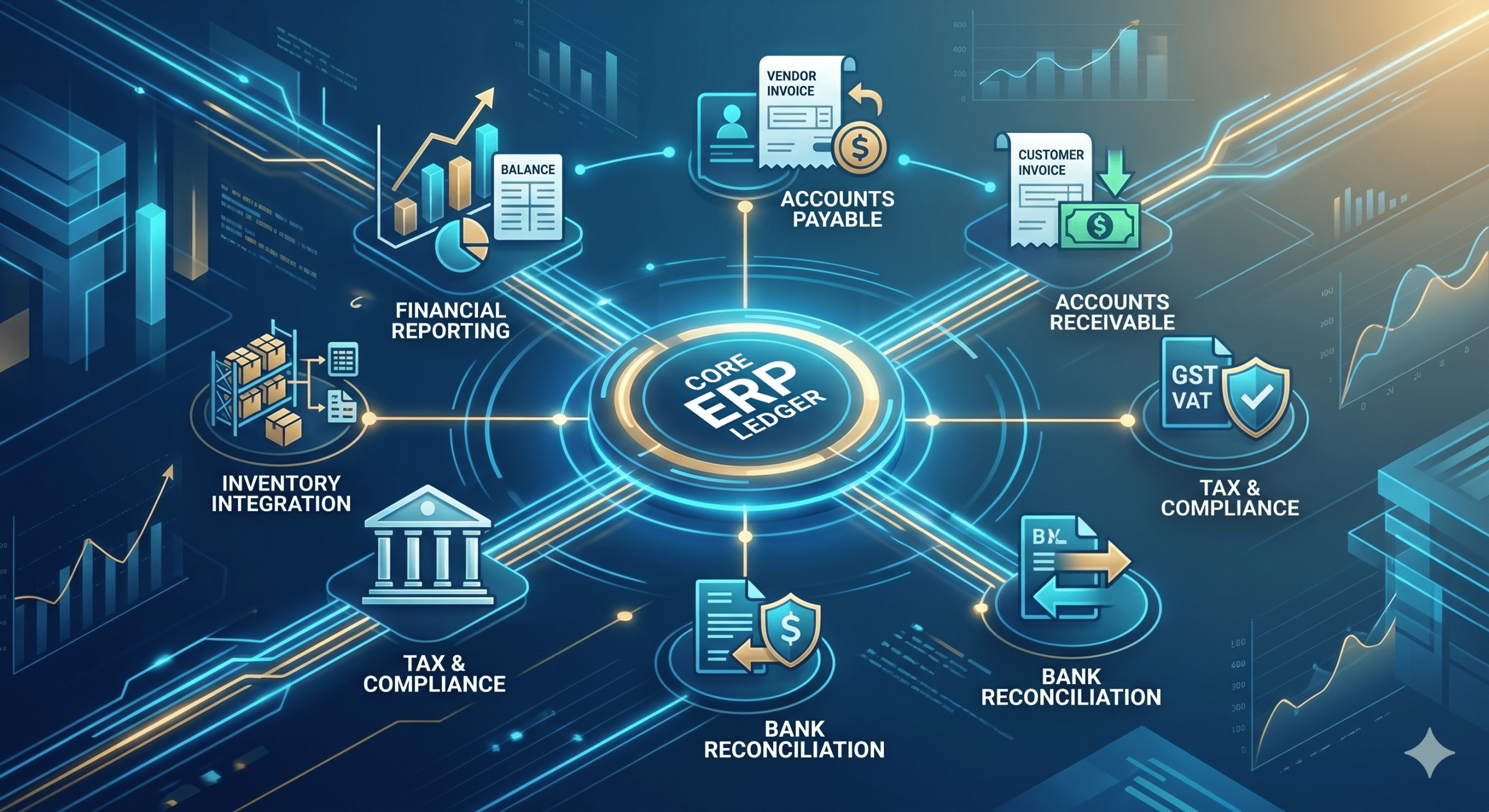
Instead of managing multiple tools, businesses can handle everything. invoicing, compliance, reporting. within a single system.
Benefits of ERP-Based Approach
1. Automation
Invoices are generated automatically in the correct format.
2. Real-Time Compliance
System ensures every invoice meets UAE regulations.
3. Seamless Integration
Direct connection with ASP providers.
4. Reduced Errors
Eliminates manual data entry mistakes.
5. Centralized Control
Everything is managed within one system.
Case Study Example
Company: Mid-Sized Trading Business in Dubai
Problem:
- Manual invoicing using Excel
- Frequent VAT errors
- Delayed payments
Solution:
Implemented ERP-based e-invoicing system.
Results:
- 80% reduction in invoice errors
- Faster payment cycles
- 100% compliance readiness
- Reduced manual workload
This is the kind of transformation businesses can expect.
How to Prepare for UAE E-Invoicing (Step-by-Step)
Here is a practical roadmap:
Step 1: Assess Your Current System
Check if your current software supports structured invoicing.
Step 2: Upgrade to ERP
Move to a system that supports automation and compliance.
Step 3: Understand PINT-AE Format
Ensure your system can generate required fields.
Step 4: Choose an ASP
Work with an approved service provider.
Step 5: Test Before Deadline
Run pilot tests before mandatory rollout
What to Look for in an E-Invoicing Solution
Not all solutions are equal.
Must-Have Features
- PINT-AE compliance
- ASP integration
- Real-time validation
- VAT compliance support
- Scalable architecture
Why Businesses Are Moving Towards Smart ERP Solutions
The shift is clear.
Businesses are no longer looking for just compliance. They want efficiency, automation, and scalability.
Modern ERP systems combine:
- Accounting
- Inventory
- Billing
- Compliance
All in one platform.
This is where solutions like eresource ERP come into play, offering integrated e-invoicing capabilities tailored for UAE regulations.
Future of E-Invoicing in UAE
This is just the beginning.
In the future, we can expect:
- Real-time tax reporting
- AI-driven compliance checks
- Fully automated finance workflows
- Integration with global tax systems
Businesses that adapt early will gain a competitive advantage.
Why Businesses Choose eresource ERP for UAE E-Invoicing
Choosing the right solution is not just about compliance. It is about efficiency, scalability, and long-term growth.
eresource ERP helps businesses simplify this transition by offering:
- End-to-end e-invoicing automation
- Built-in UAE VAT compliance
- Seamless ERP integration
- Real-time reporting and validation
- Scalable system for growing businesses
Whether you are a small business or an enterprise, having a system that is already aligned with UAE regulations can save time, reduce risk, and improve operational efficiency.
Final Thoughts
UAE e-invoicing is not just a regulatory requirement. It is a strategic opportunity.
Businesses that adopt early will benefit from:
- Faster operations
- Better compliance
- Improved cash flow
- Reduced costs
Those who delay will face challenges, penalties, and inefficiencies.
The smartest move right now is to start preparing and transition to a system that is future-ready.