Skip to content


ZOHO ALTERNATIVE
Zoho Alternative –
eresource ERP vs Zoho
Businesses searching for Zoho alternatives are typically evaluating whether a multi-application ecosystem or a unified ERP system better suits their long-term needs.
Zoho provides a flexible suite of business applications. At the same time, platforms like Eresource ERP offer a more centralized approach by combining core business functions into a single system.
Faster Deployment
Go live in weeks, not months
Cost-Effective
Optimized for SME budgets
Multi-Region
UAE, Nigeria, Canada & more
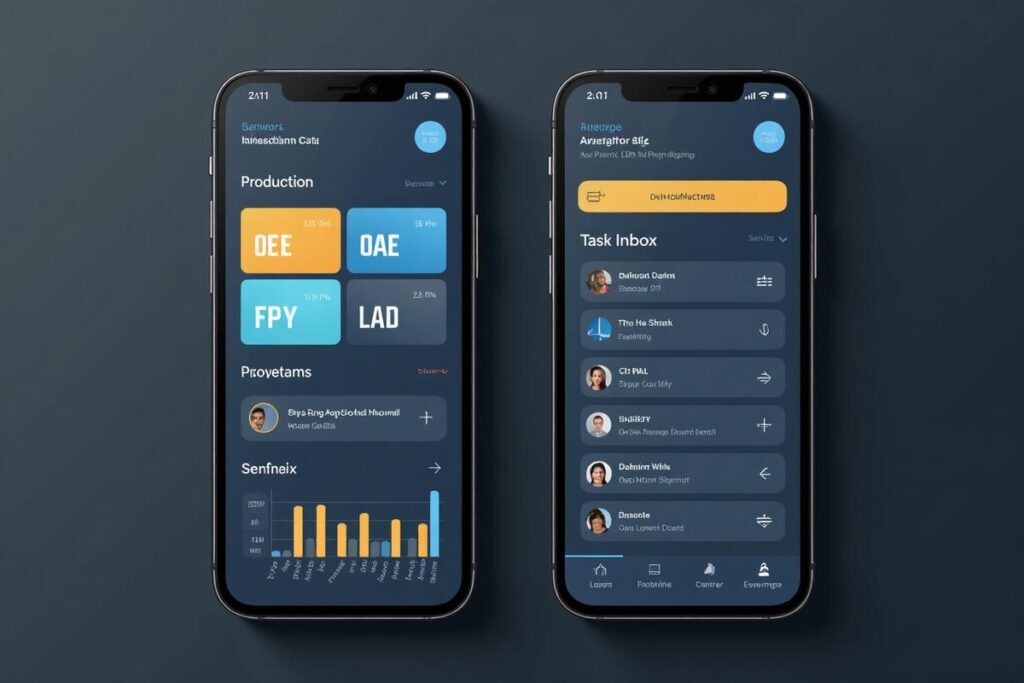
Overview of Zoho and eresource ERP
Understanding the core strengths of each platform helps you make the right choice.
Zoho
Zoho is a cloud-based software suite offering a wide range of applications such as CRM, accounting, HR, and project management. Businesses can choose individual tools and integrate them as needed.
eresource ERP
eresource ERP is a unified ERP solution designed to manage key business operations such as finance, inventory, CRM, and reporting within one platform. It is built for businesses that prefer centralized control over operations.
Why Businesses Explore Zoho Alternative
While Zoho works well for many use cases, businesses may explore Zoho alternatives when:
Growing Operational Complexity
As operations expand, managing disconnected systems becomes inefficient and harder to control across departments.
Multiple Applications to Manage
Handling different tools for finance, inventory, and operations creates data silos and slows down decision-making.
Lack of Centralized Visibility
Without a unified system, getting real-time insights and accurate reporting across the business becomes difficult.
Unclear Long-Term Costs
Hidden expenses across multiple systems make it challenging to track and optimize total cost over time.
Need for Structured Workflows
As the business scales, unorganized processes create bottlenecks, requiring standardized and streamlined ERP workflows.
eresource ERP vs Zoho – Key Comparison
1. System Approach
Zoho
Modular ecosystem of multiple applications connected through integrations
eresource ERP
Single integrated system with all core modules built-in
-> Businesses prioritizing centralized operations may prefer a unified ERP structure.
2. Cost Structure
Zoho
Flexible entry pricing. Total cost increases as more apps, users, and features are added
eresource ERP
Consolidated pricing aligned with complete ERP usage
-> This difference becomes more relevant as business operations scale.
3. Data & Workflow Management
Zoho
Data flows across multiple apps, depending on integrations
eresource ERP
Unified data flow within a single system
-> Centralized data can simplify reporting and decision-making.
4. Scalability
Zoho
Scales by adding additional applications and integrations
eresource ERP
Scales within an integrated system as business processes grow
5. Implementation Perspective
Zoho
Faster to start with individual apps
eresource ERP
More structured implementation aligned with full business processes
When Should You Choose Zoho?
Zoho may be a suitable option if your organization prioritizes a modular, application-first philosophy over a single monolithic architecture.
Modular Flexibility
You prefer selecting and using individual applications tailored to specific team needs.
Simple Business Logic
Your business processes are relatively simple and don't require heavy cross-departmental automation.
Point Solutions
You primarily need CRM, accounting, or specific standalone tools to fix immediate gaps.
Rapid Deployment
You want quick deployment with minimal setup to get teams running in days, not months.
When is eresource ERP a Better Zoho Alternative?
eresource ERP can be a better fit if you require a unified data truth that eliminates the silos created by disconnected “suite” applications.
Unified Integration
You want a unified ERP system instead of managing multiple application bridges and API syncs.
Centralized Visibility
You need real-time visibility across all departments from a single dashboard for rapid decision making.
Scalable Workflows
Your business is scaling rapidly and requires complex, structured workflows to maintain order.
Predictable Total Cost
You want predictable, consolidated ERP costs instead of managing 40+ individual subscriptions.
Multi-Regional Control
You operate across multiple regions and need strict operational consistency and global compliance.
Practical Descision Perspective
The choice between Zoho and eresource ERP is less about which is “better” and more about
what structure fits your business:
Modular flexibility (Zoho)
works well for businesses starting small
Unified ERP approach (eresource ERP)
supports businesses moving toward operational maturity
Final Verdict – Choosing the Right
Zoho Alternative
Zoho continues to be a strong platform for businesses that prefer flexibility and app-based management.
However, as operational complexity increases, many businesses look for solutions that bring everything together into one system.
eresource ERP offers that unified approach, making it a practical and scalable Zoho alternative for companies aiming to streamline operations and improve efficiency over time.

What are the best Zoho alternatives?
eresource ERP is a strong alternative for businesses that prefer a unified ERP system over multiple applications.
Is Zoho an ERP or a software suite?
Zoho is primarily a suite of applications that can function like an ERP when multiple tools are combined.
Why do businesses switch from Zoho to ERP systems?
As businesses grow, they often require centralized data, structured workflows, and deeper integration across departments.
Can eresource ERP replace multiple Zoho apps?
Yes, eresource ERP provides integrated modules that can handle functions typically managed through multiple applications.
What is better for scaling businesses?
Businesses with increasing operational complexity often benefit from a unified ERP system like eresource ERP.