Preventive Maintenance System (PMS) is the backbone of the Oil and Gas Industry It has been proved that a well-chosen and intelligently implemented, Preventive Maintenance System can make more economic sense. This is because preventive maintenance does the minimal routine work necessary to ensure the equipment remains in proper operating condition. Before discussing anything further on Preventive Maintenance System (PMS), it is necessary to understand how important is PMS. Preventive maintenance is planned maintenance of plant and equipment that is designed to improve equipment life and avoid any unplanned maintenance activity. Preventive Maintenance includes lubrication, cleaning, adjusting, painting, and minor component replacement to extend the life of equipment and facilities. Its purpose is to stall breakdowns and excessive depreciation. Neither equipment nor facilities should be allowed to go to the breaking point, especially in industries like Oil and Gas, where a brief disruption of work could mean not only a huge financial loss in downtime but it will jeopardize the safety of people working there. It takes a lot to keep the Oil and Gas industry running smoothly. However, an effective IT backbone with a solid application that supports end-to-end logistics can address the challenges effectively even while reducing costs and minimizing risks. This is the best way you take control of the Oil & Gas industry. In Oil & Gas industry. Therefore, the on-time flow of materials, people, and equipment to and from exploration, development, and production sites is critical. Understanding the situation lot of companies in the Oil and Gas industry have placed their gear in a transformation mode. Earlier this industry heavily relied on human interaction for preventive maintenance. However, this exercise demanded a lot of working time and effort that most of the time produced unsuccessful results. With the introduction of exclusive PMS like eresource erp software, the Gas and Oil Industry is opting for a good and effective preventive maintenance system. Eresource PMS uses enhanced analytical tools to lead scheduled maintenance. The system is linked to the operational performance of equipment that measures performance parameters such as vibration or heat in oil exploration. When any of these parameters stray outside a predefined range, automatically determines the most likely cause and will also suggest work orders to maintain or replace certain equipment Using eresource ERP PMS in the Oil and Gas industry has many advantages. First of all, there will be tremendous value creation, particularly in petroleum exploration when using an integrated preventative maintenance system like eresource PMS. Lowering maintenance time will have immediate benefits to the life of lubricants and filters, as well as maintaining design specification operating parameters to achieve maximum productivity and quality. Apart from the above benefits, the original equipment manufacturers for the oil and gas industry can also indirectly benefit by understanding exactly what equipment and replacement parts clients need when managing oil and gas exploration projects. Also, engineering manufacturers can learn from the exercise by understanding past performance and enhancing design specifications to meet increased production demands and work order flow. These factors will help maintain inventory and purchasing to an optimal level as well reducing the inherent financial risks of holding excess inventory of parts. The benefits received from eresource ERP PMS in the energy sector reduce costs significantly for an industry with massive capital expenditures, leading to a more efficient energy enterprise in the long-term. Also Read – EPC ERP
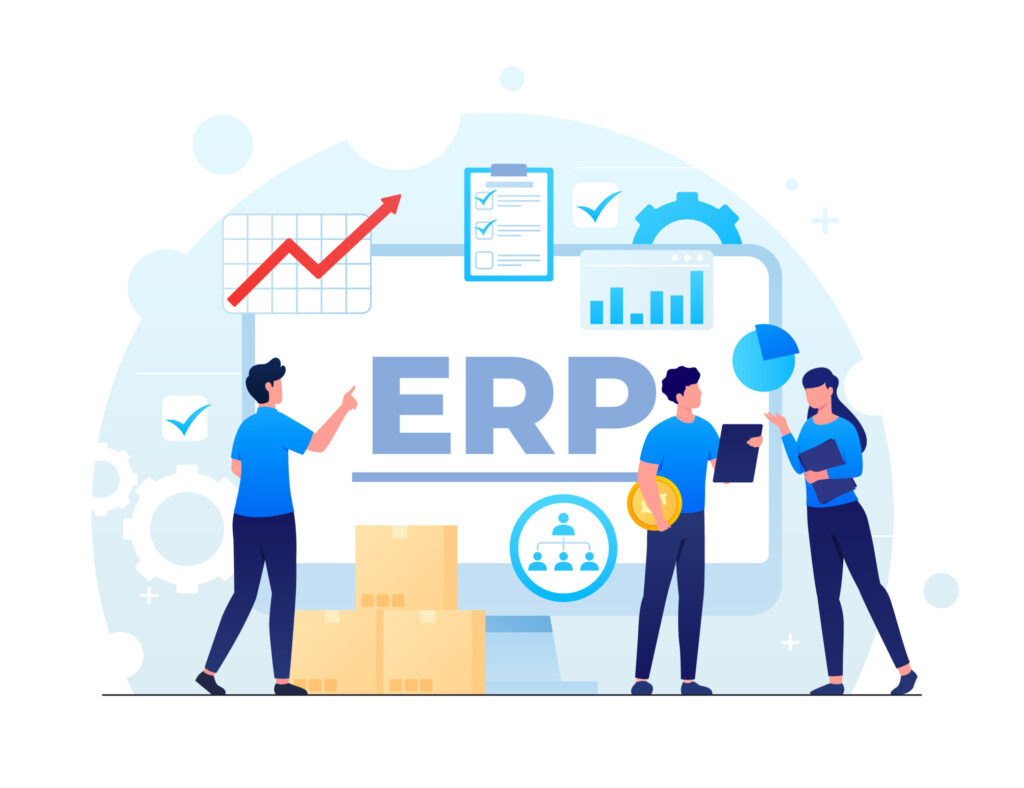
Digital technology innovation, automation, mobile solutions, business models to help overcome the limitations imposed by legacy systems, intricate supply chains, a lack of talent, and regulatory control are some obstacles to overcome. One of the most volatile business areas is the oil and gas one. Fast-changing domestic rules and changes in the global market significantly impact it. No doubt, eresource is the best ERP for oil industry, which helps reduce expenses and the risk factor involved. Further, it also enhances the performance with the aid of software tools involved in Oil and Gas Utility Management. Project managers can plan using ‘eresource’, the best ERP for the oil and gas business. From operations to gas distribution, deploy, manage, watch, and assess the entire asset lifecycle: the best ERP for manufacturing is the oil and gas one. Main targets of implementing ‘eresource’ ERP systems for oil and gas companies increase in safety and security concerns reduction of applied costs meeting the regulatory compliance requirements set by the government. The eresource gas and oil ERP system will include the following features of business management: managing the financial analysis project and portfolio management Targeting supply chain management. Workforce management in manufacturing, manufacturing execution system (MES), Asset tracking system Natural resource management, production scheduling, and quality control/assurance are all aspects of operations. In between all the levels, opt for a Tight integration technique. It boosts the application by enabling optimized management. Further, it helps you respond quickly in adverse situations. Sensors of process manufacturing ERP support the instrumentation of every foot of the pipeline and the monitoring of defects or irregularities. The business process automation using ‘eresource‘ ERP systems in the oil and gas industry result in increased efficiency and customer satisfaction. Because we offer sensitive sensors that detect potential malfunctions very early and the change in frequency triggers an examination, our extensive remote monitoring systems play a significant role in the whole oil and gas industry. Let’s integrate all the data into a single system. This way, the business is emerging by managing the processes. Most importantly, all tasks perform smoothly and keep a business running efficiently. Robust and customized ‘eresource‘ ERP solutions for oil and gas industry may link data from many departments inside your company, track stock, manage inventory, increase productivity, and lower operating costs. The available set of lists ensures that ERP systems meet demand. The accuracy in forecasting and inventory management minimizes the costs and waste. A solid reporting system of ‘eresource‘ abides by high data quality. These are sometimes perceived as challenging programmes to implement in industries where system selection and valuation have been deemed different for the people. A practical implementation plan is developed concerning the organizational outcomes and people associated with the department and role. Digitalizing the oil and gas sector makes it possible to trace resources, supplies, and machinery even in far-off places. Data from different functional areas can be easily shared, and different degrees of consent can be obtained for records. Implementation of a complete horizontal data integration right from feedstock to product trading. Strategically scheduling the planning to achieve the best fit. Modularity to allow for flexibility during the implementation stage As the situation’s demand, the software offers smooth scalability in both simple and complex applications. Interactivity for effective customer feedback collection Real-time optimization speed with direct connections to online plant optimization The concept of integrated systems, one of the key benefits of ERP projects, is sometimes misunderstood by businesses. ‘Eresource‘ ERP is a centralized system that integrates all primary enterprise functions, such as human resources, planning, procurement, sales, customer relations, finance, analytics, and other smaller connected application functions. A centralized, integrated enterprise system clearly describes ERP software the best! The study highlighted four process improvements: better and stronger process planning, better demand planning, accounts receivable (AR) cash operations, and offshoring business activities. Concluson: In recent years, innovations and developments have taken a massive lap in information technology. As a result, significant labour reductions exist owing to the widespread use of ERP software. The system automates data capture analysis, thereby updating your inventory in real-time. The methodologies involved assisting in improving the speed, ease, and accuracy of the method where it’s implemented. It has resulted in an enhanced flow of information between the systems. No doubt, the ERP software makes the manufacturing environment operations-centric. Real-time planning paves the path for a truly efficient supply chain.