One ERP. Every Industry. Global Presence. Powered by Azaalea AI
22272e9fb58a47b7d605950c6cdff7b550d0b71e
One ERP. Every Industry. Global Presence. Powered by Azaalea AI
Final white Azaalea Ai Middle East FZ LLC logo (1)

ERP can improve productivity in Manufacturing sector

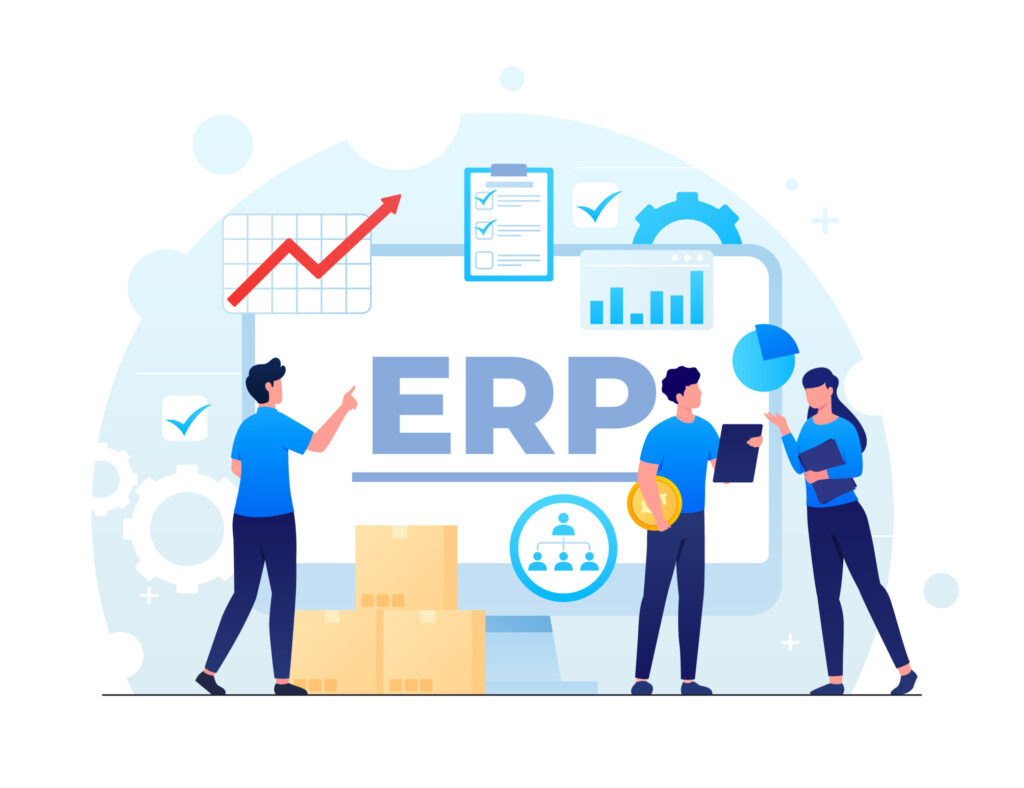
7016016 How ERP can improve productivity in Manufacturing sector? Productivity improvement Enterprise Resource Planning (ERP) solution can significantly improve the productivity of the Manufacturing ERP sector. Use of ERP should not be looked at as a tool for automation of the transaction system. The major objective of ERP application should be improvement of business process. ERP systems are designed to address the problem of fragmentation of information in manufacturing organizations. ERP systems promise to integrate an entire business with a suite of software modules covering activities in all areas of the business. Furthermore, ERP is now being prompted as a desirable and critical link for enhancing integration between all functional areas within the manufacturing enterprise. ERP system has been defined as a packaged business software system that allows a company, to automate and integrate the majority of its business processes, and share common data and practices across the enterprise. Through integration of various functions in the organization, managers and staff alike can use timely information to make better decisions and to perform activities, which add value to the company. Also read – ERP for Plastic industry Here are some of generic ERP capabilities that can be used in the Manufacturing sector: ERP can transform unstructured processes into routine transactions such as electronic approval of purchase orders based on predefined company policies. ERP can replace or reduce the human labour involved in processes, like matching of supplier invoices based on accepted purchase receipts. ERP can transfer information rapidly and with ease over large distances. It is now possible for various offices and factories of an organization to perform transactions and analysis on the same server, reducing geographical distances. ERP can help manufacturing companies in carrying out analysis such as: Forecasting of market demand based on statistical models; Capturing of hidden market trends through multi-dimensional analysis; Identification of potential improvement areas. ERP can bring a vast amount of detailed information into the process. ERP can enable changes in the sequence of task in the process, often allowing multiple tasks to be performed concurrently. ERP allows the capture and dissemination of knowledge and expertise to improve the process. ERP allows detailed tracking of task status, inputs and outputs.   Also read – construction erp software in uae

ERP for Industrial Manufacturing sector

7016016 ERP for Industrial Manufacturing sector: eresource ERP Complex equipment manufacturing organization comes under Industrial Manufacturing sector, which is very technology and price sensitive market. Needless to say the challenges faced by this sector for the steady business process are numerous. As it is known that manufacturing is based on customer specification in Make to Order situation and translating customer specification into bill of material and bill of routing is a big challenge. There are even separate departments have been set up in some organizations to handle this activity. The ERP system have configured to order (CTO) functionalities where the design rules can be configured. It will be geared to handle any amount of complexity in design rule. Once the customer specifications are put into the system, the same should be automatically transformed into bill of material and routing. ERP Manufacturing industries have a strong requirement for analyzing at the quotation stage. Normally the customer specifications are complex and lead time for manufacturing is high. It is a big challenge to quickly quote the right price and promise the delivery date based on material and capacity availability. The ERP system will greatly help in this regard. Since design rules can be configured through the ERP system, it will be possible to quickly translate customer demands into manufacturing requirements and hence, reduce the cost of making the product. Also it will help in keeping the due dates to the customers based on organization capabilities. Since technologies are changing at a fast pace, the customers demand short delivery times from the Original Equipment Manufacturer (OEM). It is a real challenge to provide customer specific products at a short notices. The ERP system should be able to handle hybrid manufacturing scenarios (mix of make to stock and make to order) where they will take advantage of making the final product using Make to Order Scenarios (MTO) and reduce total time for delivery using the strong planning features of Make to Stock (MTS). The technology sensitive market requires close collaborations between vendors, contractors and subcontractors at the design level. Design level collaboration between different parties using the B2B interface of the business application will be of special help. Without use of sophisticated ERP systems, such collaboration cannot be effective. The management of spare parts is also important. Spare parts are characterized by both Independent and Dependent demand. While the former coming directly from the market and the later from the manufacturing of the final product. These scenarios are normally characterized by strong after sales service. ERP systems can really help in devising the service schedules, collating the service information from the market and providing the same as feedback to the design and manufacturing department, quick diagnosis and rectification of faults through knowledge management and managing after sales contracts with customers. The whole process of manufacturing has to be taken up as a project with demand pegging throughout the manufacturing structure. This indicates there is a strong need of information exchange across the manufacturing project and at all levels.   Also Read – ERP Software in Mumbai
Search

Request Demo Access
Fill in your details